Young Stroke Survivors

A few weeks ago I joined some groups such as “genyus”,  whom of which have greatly helped my adjustment after the stroke and coping daily with others who understood. Inspired by groups like them,  I wanted to talk about some of the challenges young stroke survivors that people born between the early 1980s to the early 00s might relate to.

We’re not kids but we also probably haven’t had some major life experiences as our more mature young stroke survivors (giving birth…yet etc). We also love technology! Oh, and we are super energetic (well, we try to be lol) Ok, this is being super stereotypical but seriously wanted to talk about others like me even though all of us are certainly different we are also alike.

This is written for 25 to 30 something-year-olds but if you’re a bit older and can relate I would love it if these tips helped you too 🙂  Here are some things I’ve learned from my own experience:

Sleep

Most young stroke survivors find it hard to sleep. Even though we fatigued easily during the day and feel tired…weird huh? I love this Calm app that I found Android and found that it really helps. I listen to “meditative sleep stories”..

Exercise

Again, something I use on my android phone (you can even go a step further and get a fit bit something like that). I use google fit, it automatically counts my steps throughout the day and I add my exercises. I currently do 4km in 12 minutes on the cross trainer (starting the intensity at level 1 for the first 3 minutes, then level 2 at 3 to 6 minutes, level 3 at 6-9minutes and finally, at level 4 9 to 12minutes); 10 minutes on the treadmill (about 800m) and 5-6 minutes on the rowing machine (or equivalent to at least 500m).

I set the goal of at least 30 minutes of exercise every day if I can. Then I add a few minutes every day doing some balance exercises on a balance mat. I guess the theme for me surrounds complacency – do not get complacent!

Diet

Before the stroke I had relatively healthy habits, even bordering on vegan, but since the stroke and being put on warfarin I cannot any green, leafy vegetable or anything high in vitamin K. As usual diet restrictions note, everything in moderation but definitely NO soft drinks, alcohol or overly processed foods (bye maccas/McDonalds!).

Mental workout

Every day I do a day of challenges set by the android app Elevate and read a lot, here are some great, inspiring books (I haven’t read all of them…yet).

Pregnancy

Like many young women at our age, also known as birthing age, pregnancy is a big question on my mind and while I don’t have all the answers and probably no one does know everything, joining a group really helps to alleviate fears and ask questions. Try joining groups like I did for example: Folks with strokes (Mothers).

Work

Getting back to work is certainly a challenge, not just mentally but physically too. Having a supportive team, boss and partner can definitely help the transition. I have been back now for about month. I have noticed that although I am much slower, I can do it. The physios and psychologists recommended me to go back but with limited expectations.

Where I could write 4 blogs a morning for other companies, I can now only write one in the morning as I find it hard to focus after and I get fatigued/tired easier. So I only work half days at the moment. They also suggested that every hour I take a few minutes to rest and do something else, like walk around, do some squats, stretches and re-focus my eyes (being a copywriter my eyes are always on a screen).

I have an international license but they drive on the other side of the road in the Philippines than in Australia. So you can imagine that is confusing even without having a stroke. I don’t have any tips around this but I have been told after a stroke you are not to drive for several weeks after.

Getting Around

  • Just like with my autoimmune condition, I always think of the “Spoon theory”. You have limited spoons now, no more unlimited spoons like before, so pick and choose your battles or outings.
  • Heading out tonight? It might mean skipping that afternoon run. If you’re planning to go to a party tomorrow night, make sure you rest up before then to conserve energy.
  • Use your phone reminders – I always seem to forget to take medicine on time, so make sure you have a regular alarm to remind you.
  • Remember safety first and go slowly! If you are on warfarin too, avoid accidents like cutting yourself or falling down. The first few weeks getting out of rehab, my hubby helped me to walk everywhere (he was the ultimate spotter) but when I am by myself, I am extra careful and cautious of where I am. No rushing! That train or bus can wait or you can catch the next one, do not risk falling over! Not only do you now bleed easier but you also have uncoordinated movements that unexpected falls could make you severely dizzy or worse, cause another stroke! Heaven forbid!

Music

I absolutely love music and it certainly helps in the path towards recovery. Check out my Spotify playlist and you can add your own tunes too >

Challenges

Each month I set a goal to work towards. Next month I am joining a 5km fun “run” (or walk in my case).

Diary

Instead of comparing to what you looked/acted like before the stroke, compare yourself just after the stroke. I could hardly walk or talk, so when I look at it this way, I’ve come a long way!

Sure, if I compare to before there is a big difference, I am a lot slower and unsteady now but I am slowly improving every day, even if it is the subtlest of changes.

Also keeping a diary is super therapeutic, you need to face your feelings not hide from them. Observe them! If you’re angry, why? Go through the motions and express them in your diary, this can be a good log for looking back and also you can see if your handwriting improved too (mine was terrible just after the stroke, well still is haha).

Remember “the more you do, the more you are”. So, don’t let yourself forget how to write, you need to write! It might look super messy in the beginning but after constant practice, it gets better. Even if you didn’t have a stroke, if you didn’t write for a long time, you would find it hard to write neatly again.

Finding your voice

Just after my stroke I lost my voice, literally, at first it was really hard to make sounds, then the words were mixed up, and then I just ended up really husky and breathy like I just had a cough or something.

Before the stroke, I loved to sing so you can imagine losing my voice was definitely a challenge! With a series of vocal exercises (such as a bottle filled with a little water and straw) I have slowly built my voice back and this coming Monday I will see an ENT to do a vocal clinic test to see how the stroke impacted on my vocal chords. I have done previously, but it was not to the extent of my ability to sing.

Currently, I can hum a tune, which is a huge deal! But I can’t hit higher notes or access my mid-range which I see as a part of my voice is paralyzed, or frozen, it feels tighter than usual. I have come across a couple of sites in the meantime: Dysarthria and Singing.

Why not me?

The doctors believe thrombosis caused by my autoimmune disease caused the stroke. But why? I thought to myself. It’s rare I found out. In a video I once posted on my personal social media, I told the story of one night at like 3am I looked in the mirror and I was angry. I kept asking “why me?” but the question I then changed it to was “why not me?”. It is a powerful thing to look in the mirror and ask why not, instead of placing blame on someone else or something else, it’s on me, which leads me to the “real” why question, the “why” that I could control. “Why did you survive?” and it’s up to us to answer that, we are survivors for a reason, hold onto that and keep going!

Emotional Rollercoaster

It may seem that I am not that bad, well let me just start by saying thank you, I work hard at appearing “normal”. Sure I have my days, ups and downs, challenges just like any other stroke survivor, what keeps me going is the love of my family – especially my hubby. I know it can be super hard dealing with emotions but make sure to show appreciation to your loved ones! If you ever need a friend to vent to or share your accomplishments, I totally have your back too! 🙂

I hope you find these tips helpful, what about you? Any tips to share for your stroke recovery?
Young Stroke Survivor Recovery Playlist

Are you a young stroke survivor? Beat depression and feeling the blues with these catchy tunes.

The Requirements

  • A catchy beat
  • A strong, positive message

Examples

These songs I feel are great for the young stroke survivor, I listen to them while working out and doing rehab exercises:

– “What are you afraid of?” by Kerrie Roberts
– “Overcomer” by Mandisa
– “Fight song” by Rachel Platten
– “Fighter” by Christina Aguilera
– “Alive” by Sia
– “Never give up” by Sia
– “I am” by Mickey Shiloh
– “Stronger” by Kelly Clarkson
– “There’s nothing holding me back” by Shawn Mendes
– “Lose Yourself” by Eminem
– “Confident” by Demi Lovato
– “Monsters” by Katie Sky
– “Who you are” by Jessie J
– “Champion” by Chris Brown
– “Invincible” by Kelly Clarkson
– “Try” by Mandy Harvey
– “The Greatest” by Sia
– “Reaper” by Sia
– “Survivor” by Destiny’s Child
– “Roar” by Katy Perry
– “I Dare You to Move” by Switchfoot
– “I believe I can fly” by R. Kelly
– “Hero” by Mariah Carey
– “Give it a go” by Timbaland
– ” Am I wrong” by Nico & Vinz
– “I’m still standing” by Elton John
– “Dear Life” by Delta Goodrem
– “Rise Up” by Andra Day
– “Not alone” by McFly
– “Move (If You Wanna) by MiMS

What inspiring songs can you add? > https://open.spotify.com/user/22eobkhq7cn5rtnonokancegi/playlist/0ot0xQNA24287NwXOMim3y 

Waking up to a nightmare

Hi, my name is Camille and at 26 I had my first TIA stroke, yes that was just the beginning of my story. My most major and final (well that’s what I am telling myself) ischaemic stroke happened recently, I was 27. It’s a bit unusual but I’m a survivor. So many people told me this is my chance and they’re right – this is my chance to be everything I can be. In this story, almost fable-like, I hope you don’t have to go through my young stroke experience to learn my lessons. Love and light, Cami xo

Vacation Intentions

Bali. The ultimate vacation destination. To say I was excited is an understatement. Not only to see Bali for the first time but my family who lived overseas for the first time in months.

On the second day in Bali and I could tell something wasn’t quite right. Exhausted and irritable, I put it down to being jetlagged, I needed to rest. My second day was uneventful (seemingly) and I had a migraine (unsurprisingly) I’ve had one almost every night for 7 years.

In the middle of the night

The second evening comes, it was 2 am and I was beginning to panic. I had no strength on my left side. I grew worried because breathing was getting hard. My sister was sleeping in the bedroom next door with her hubby and two little girls. I decided to try and wait it out till 8 am. 15minutes passed by and I was starting to truly panic. It was hard to even take a sip of water. I was going downhill fast and I felt desperate. I called my sister “Gala!” (her name is actually Gisella), “Please take me hospital!” I cried. I left a few voice messages on Facebook messenger to my hubby telling him about my plans. He’s a cluey one, that guy. He had booked a flight to Bali first thing in the morning, despite me telling him not to.

I WHAT?!

Thank goodness he did. After heading to an international hospital, several hours later (and injections) I got CT-scan results. I told them I’ve had a migraine before. Then they turn to me and say I haven’t got a migraine, I’ve had a stroke. If ever there was a wtf moment this was it. I was 27, on holiday in a foreign country, this couldn’t be happening right? So, that’s the beginning of my tale.

I literally woke up to a nightmare, only this was very real and truly happening. I had a major ischaemic stroke caused by thrombosis which can happen, but rarely, in those who have polyarteritis nodosa. It would take me at least 8 months to walk, talk, swallow (eat & drink) properly.

In the next blog posts, I’ll be tackling each “lesson” head on that I encountered on my journey. Thanks for tuning in 😉

Keep warm and pain-free this winter

“Winter is coming!” if you’re a GoT fan, this may mean a little more to you, but even if you’re not, I’m quite serious – winter is coming and if you’re like me, your joints are already letting you know it’s starting to get colder. Having an autoimmune disease winter is usually an interesting time, to say the least. In this post, I want to share some tips on how to keep warm and pain-free this winter.

Warm Bath

Ok, so it doesn’t get too cold, snow is probably the last thing that could happen when it’s winter here in Brisbane, but it does get cold, especially for a person with an autoimmune disease like polyarteritis nodosa. One of the best things ever invented to help warm up cold muscles, aching joints and overall exhausted bodies is a warm bath! If you don’t have a bathtub, don’t despair, you can still warm up with a hot foot spa (fill your foot spa and basic basin and stick your feet in!). This can help you raise your core temperature and signal to your body to relax.

      • Make a Muscle Relaxing Detox Bath. Add some Epsom salts (about a small handful); some pure essential oils like peppermint or lavender (25-35 drops); 2 teabags of your favourite tea (open up and sprinkle contents in the bath; you can rinse after); and a small capful of Olive Oil (this makes the tub slippery so be cautious, the oil acts as a skin cleanser and moisturizer). Then mix it all together until you’re ready to get in. Try to let your body soak for 15-30 minutes.
      • Apple Cider Vinegar Bath. Bathing in apple cider vinegar can help reduce the symptoms of pain and arthritis. It also aids the mobility of the joints greatly as it reduces the excess uric acid build up in the body. Just add 1 to 2 cups of apple cider vinegar to a warm or hot bath and soak for up to 30 minutes. Make sure to drink lots of water before and after your bath.

Avoid alcohol and drink more water instead

Alcohol causes blood to rush towards your skin, lowering your core temperature. It also keeps your body from shivering, which is a key part of how you stay warm. Drink as much water as possible because if you’re dehydrated, your body will send the fluids you do have to essential organs like your heart and brain, instead of your fingers and toes. For people with poor circulation from conditions like diabetes and Raynaud’s Disease, that lack of blood flow can worsen hand and foot pain.

Keep Moving

Arthritis can affect people at any time throughout the year, but the winter and wet weather months can make it even harder to manage symptoms. The cold and damp weather affects those living with arthritis as climate can create increased pain to joints whilst changes also occur to exercise routines. We have an instinct during winter to hibernate; however, a lack of physical activity will cause joints to become stiff.  Exercise eases arthritis pain. It increases strength and flexibility, reduces joint pain, and helps combat fatigue. To manage arthritic conditions during the cooler months, individuals need to plan physical activities that are easy to do during winter, such as:

  • Walking indoors, such as around shopping centres
  • Household chores, like vacuuming
  • Playing with children
  • Swimming indoors, such as Hydrotherapy 
  • Taking an aerobics or yoga class
  • Listening to music and dancing
  • Using the stairs instead of the elevator
  • Stretching or doing light exercises while watching TV

P.S How cool would it be to have a heated, indoor infinity pool?


Have you got some more tips to keep warm and pain-free this winter? Share them below.


A temporomandibular joint injection

Hey! So one of my resolutions is to be as open and real about what’s happening with my health, and given I have a bit of a minor (but major to me lol) procedure coming up. Though it might help also might help others who might have something like this coming up too. When I was first told my doctor this would happen my first thought was what is a temporomandibular joint injection?

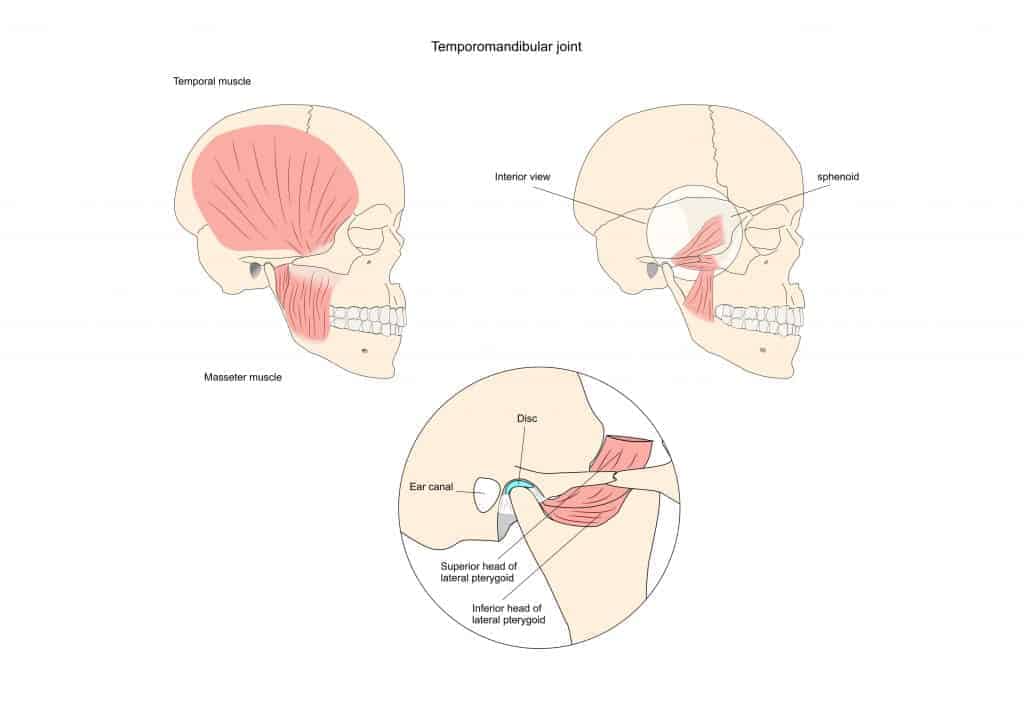
So, what is a temporomandibular joint injection?

An ultrasound-guided injection of a corticosteroid to my jaw joints (left and right, temporomandibular joint).

Temporo-mandibular joint

When?

Next Monday, Feb 20 at 1 in the afternoon.

Why?

Late last year I had problems opening my jaw and had limited opening. I had an MRI earlier this year which showed I had severe degeneration of the joint (arthritis in my jaw, both sides).

What happens?

From my understanding, the injection includes anesthetic so that’s the part that stings.

Tips

I have a wonderful friend over at www.enabledisabled.com.au who has a wealth of knowledge especially when it comes to arthritis-related issues, having juvenile arthritis herself she’s experienced things first hand.

  • If you’re nervous like I’m sure I will be on the day, take a Valium about 45mins before the actual procedure and ask a loved one to be with you (I’ll be taking hubby in that’s for sure) just to calm down anxiety
  • Make sure to eat 6 hours before as you’re not allowed to eat after that as the injection may make you nauseous
  • You may sip water up until 2 hours before your appointment (other than your Valium 45mins before) you water intake shouldn’t be more than a small half cup per hour.
  • On the morning of the procedure have a shower and change into comfortable clothing. Minimise jewelry and valuables that you bring
  • Don’t take anything that has blood thinning properties e.g aspirin, warfarin etc.

Here’s what I’ve noted

  • During the procedure, the finest needle is used. In it is a mix of the anesthetic and the steroid. In one shot, better than the anesthesia first to numb the area because it’s a bigger needle too. So it’s all in one shot.
  • Before the shots on both sides, I can take 10mg Valium about 45 mins before. Usual is 5mg
  • Make sure someone is with you after the procedure and watching over you overnight to follow just in case…of issues.
  • Don’t use your jaw at all for the following 48 hours (e.g talking, yawning, chewing etc)
  • Since you shouldn’t chew, have smoothies prepared for nourishment (frozen banana & berries/frozen zucchini & broccoli etc)
  • If you feel a cold ice pack is almost cool, put an old pair of denim jeans/shorts in the freezer, it’s cold enough for a bit of relief
  • When sleeping, lie on your back avoid sleeping on either side that your jaw injection was on (in my case both)
  • Note also, you shouldn’t have more than 3 injections in a joint within 5 years (more could lead to necrosis of the joint)

Thoughts

So we’ll wait until the next flare up (hopefully not in the jaw ever again lol). Stay tuned. If it does happen, will let you guys know how it goes 🙂


Theme Days

Having an autoimmune disease makes it hard to stay focused. A way to practice the goodness inside of us and remember why we do what we do is theme days. Days where we consciously have an intention. Go about each day as usual with the added theme. Not sure what I’m talking about? Have a read below for some ideas:

THEME DAYS –

Motivational Monday

Keyword: INSPIRE

  • Quotes to set the tone for the week start this day off.
  • Meditate for 5-10mins today, if not everyday!
  • Create a music playlist for the week to get you pumping
  • Set out business goals and schedule for the week
  • Find and watch a video of an inspirational person

Transformation Tuesday

Keyword: PROGRESS

  • What are images to inspire you to do and be better yourself?
  • If you were asked what’s a lesson you need to learn in this lifetime, what would it be? Could you do something today towards learning this lesson?
  • This day will take a bit of time for introspection. Look at yourself from the outside, what’s something you know as a weakness and how can you make it your power?
  • Select a workout to follow for the rest of the week til next time
  • Post workout selfies; wacky work out gear

Working Wednesday

Keyword: FOCUS

  • What can you do right now for your career? So it’s not just about a new exercise activity, but literal work activity – and in my case, what can I do to further my writing career? Use this day as a reflection about your work.
  • What are things I need to do in my business to get to that next step forward, and if I don’t know what that is, what are my business/career goals?
  • Do at least 3 small things or 1 major thing on your business to-do list

Throwback Thursday

Keyword: GRATITUDE

  • Reminisce on the past things to learn from and also bring back e.g music videos, pics etc.
  • list down at least 5 things you are grateful for and write down why
  • What is something meaningful that happened to you in the past 24 hours?

Food for Thought Friday

Keyword: CONSCIOUS

  • This day is all about reflecting on food choices of the week as you can eat out on Fridays
  • Find and share favorite healthy recipes
  • Take a pic of your cheat meal
  • Try and share a new smoothie recipe
  • What are your favorite snacks and what are some healthy ones you can add?

Saturday Solutions

Keyword: DETERMINATION

  • Get things done that were missed during the week – e.g tidy & clean up
  • Today is project day – small fixes and DIY at home (e.g balcony garden) Check out Pinterest for must try projects

Soulmate Sunday

Keyword: PASSION

  • On this day, share a workout you could do together with your partner.
  • Think #Sundates – going out with the your soulmate!
  • Think of future plans – daydream together and my favourite, Sunday is the perfect day to make a #FelizDay (happy day) here you or your partner takes the reins for a full day where you eat, what you do, suprises galore!
  • If you’re single, don’t worry Soulmate Sunday is for you too. It’s a day to love yourself too, because if you can’t love yourself how can you love someone else? Do something for yourself, go out and get a manicure or a massage, go for a nice walk, practice being YOU, I know sounds weird but think, what makes you unique? Your sense of humor? Your sense of style? Whatever it may be, don’t keep all that goodness to yourself, get out there! Join a new meetup group, step outside your comfort zone to meet new people – you may discover something about yourself too.


What to look for in food labels

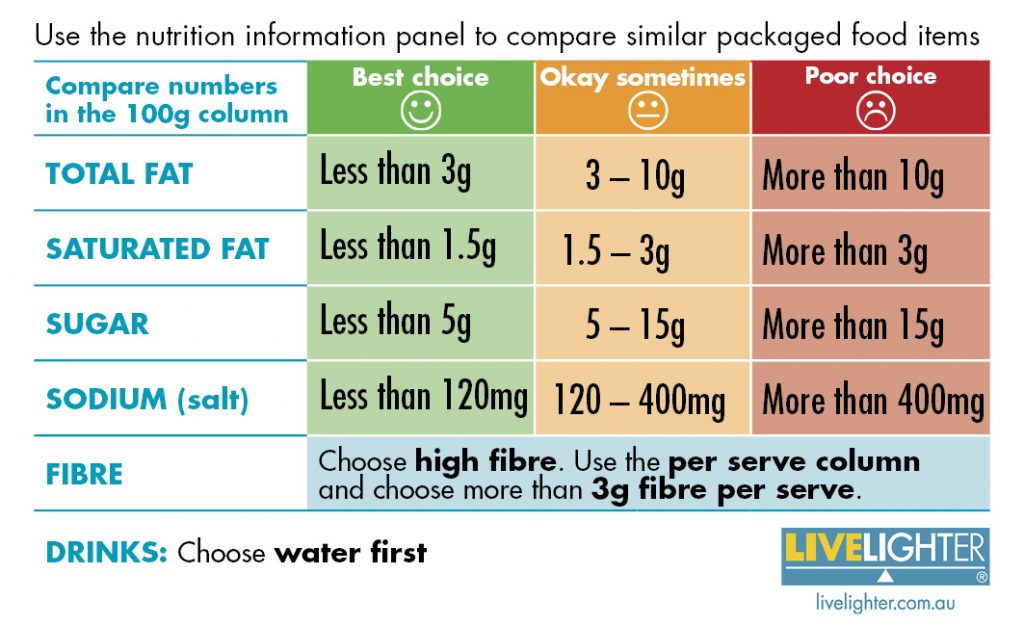
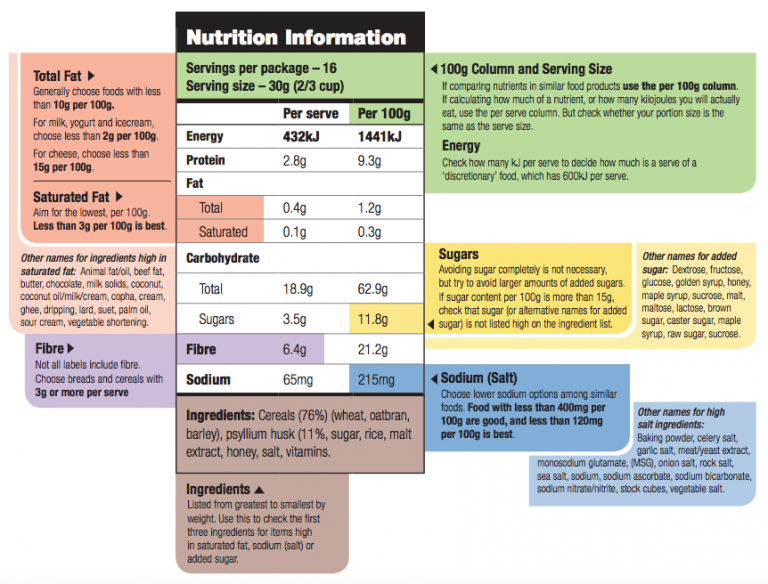
If you have an autoimmune disease, you’ve probably been told to try to eat whole foods as much as possible in order to maintain your ideal weight. But in instances where you find you can’t, look for package food with food labels with nutrition facts like below. Earlier this year I discovered what to look for in food labels aka nutrition labels and now I want to share with you what I found.

food labels

My own ideal goals, eat foods with these ranges on food labels:

Sodium: <120mg

Sugar: ~<10g (4g is approx. 1 teaspoon of sugar)

Dietary Fibre: >4g

Fat: ~<10g

Saturated Fat: <3.3g

Carbs: <20g

How to understand food labels according to Australia:

Food labels


Tapering Prednisone

Before we start

Remember when thinking of these things you have to talk to your doctor to help make a plan together. If you are in ‘remission’ from your autoimmune disease like I was at the time. This means your disease is inactive then you can attempt to overcome pred. It’s a slow process and it will take time, but it is achievable to taper to a lower dosage.

Initially

There’s a heap of stuff on Prednisone online and people’s experiences, so instead of regurgitating all that info here, I wanted to get straight to the point. This post is for those who already know what prednisone is; what it does (both a miracle drug and a curse); and, have been on it long term (as in more than 5 years daily! Not just a few months)

I have talked about weight fluctuations, side effects (such as moon face, buffalo hump), bruising, and a plethora of other prednisone-related stuff throughout other blogs so I’ll skip this for now.

Let’s get straight to it and research I’ve found helpful. Note that it’s still an ongoing battle for me, but I have a lot more faith that I will be able to live pred-free in the future, it’s just going to take a conscious lifestyle, behavior changes and a lot of patience.

It’s a SLOW process

One thing I have to mention before I begin that I cannot stress enough is that getting off or weaning prednisone isn’t a matter of willpower nor personal achievement – you can have this in spades – you need to understand that being on a drug as powerful as this changes your body.

Grace Tabitha Lim of Health Matters Blog (2012) explains:

“It is a function of weaning a glandular system from a manmade substance that causes it to cease production of its own product and putting that complete glandular system back “online.””

In other words, your body has either stopped or greatly reduced creating cortisol naturally and has now become dependent on prednisone to provide it.

Do not, under any circumstances, go off prednisone suddenly on your own without medical supervision. Going down too fast or when your body isn’t ready can be life-threatening, and in my own personal experience, it can lead to seizures and other not very pleasant side effects. Stopping Prednisone abruptly/cold turkey could have dire consequences in the form of strong ‘rebound inflammation’, pain, and a worsening of the disease for which you are taking this drug.

Tips:

Talk to your doctor!

  • After reading the following ideas, tell your doctor what you plan to do, this doesn’t have to be done alone, let someone be aware of what’s going on so they can also track you and you can do it in a safe way.
  • You can come up with a schedule together (e.g each week or month going down at 1mg or 2.5mg at a time…whatever your doctor and you agree to start off with and then you can adjust too as you go on).

Lifestyle Habits

  • I don’t want to use the word diet, I’d rather think of it as conscious eating.
  • Keep a diary of what you eat and do each day and then make note of how each food, drink or activity made you feel after and the day after – did they affect you? If you did less of something or more does this make a difference? Personally, I find drinking alcohol as a huge cause of inflammation so I’ve stopped drinking any sort of alcoholic beverage. I also found white bread, caffeine, too much sugar, red meat, and tomatoes also aggravate symptoms. I am still on the journey of discovering what habits help or hurt, and continuously learn & research about anti-inflammatory foods etc.
  • If you can minimize symptoms and the condition for which you originally take prednisone for, then your body will also have an easier time getting off it, it’s not good trying to get off it if you still have many of your condition’s problems.
  • Remember, there’s a reason you started taking prednisone in the first place.  It is amazing in helping those with autoimmune conditions par none, so be aware when coming down from it you need to do it slowly.

Exercise

  • As much as it sounds scary for those with autoimmune conditions where symptoms are very much pain-centric, exercise is so important.
  • Low impact exercises such as walking and swimming are great, and call help battle the side effects of prednisone such as weight gain, buffalo hump, and moon face. However, do take note you can still do this and those side effects will still occur but not to the degree as they would have you not be exercising.
  • A large part of autoimmune conditions is also being fatigued and tired easily, exercise may sound like the opposite but in doing it, and you’ll generate more energy.
  • Remember to pace yourself, it’s no good going all out hard-core workouts and then having to pay for it later with flare-ups of your condition, and more pain than it was worth. As they say everything in moderation.

Drink water

  • You’ve probably heard this a million times, and not just for Autoimmunees but for overall health in general – water is the real miracle. Drinking water helps to flush your system out and is so important to drink at least 2-3L if you’re on prednisone. I won’t go on about what would happen without drinking enough water, you’ve heard it all before, most people today are actually dehydrated leading to a number of problems not just autoimmune related.

Supplements

  • As mentioned before, I won’t go deep into the whys and whats (you can read about this further somewhere else) but from my collective research here are the main supplements that can help overall autoimmune health and important to take as you taper down: Vit B12 spray, zinc, fish oil (note some people have adverse reactions to fish oils, I’ve found flax a good substitute, again best to discuss with your doctor), Ashwagandha, St. Mary’s Thistle (great for your liver), probiotics (go for those with the LGG strain, best kept in the fridge),  and overall preconception vitamins (even if you’re not trying to get pregnant, these have a good range of vitamins you may need).
  • See a naturopath to give you your own unique plan that suits you best to help you lower your dose safely, they will review your current medications and blood tests.

Palliative Medicines

  • In my personal experience, weaning down can be painful, even just a difference of 1mg can cause all sorts of changes. So, as I go down (super slow like 1mg a month now) I also take other meds to help relieve symptoms so as not to take more prednisone to help me, if that makes sense? To alleviate pain, I use Paracetemol/ Tylenol as long-term medicines, they are basically paracetamol based and can help rather than taking NSAIDs which can be harmful to organs over long periods of time. Of course, with all medicines, nothing really should be taken, but in my case, they have been very helpful.
  • Discuss first with your doctor for other palliative medicines as every body is different. 

Do you have any tips to share on getting off Pred? Share your stories and experiences below


Autoimmune Disease Short Story: Outside I

Edited by Gisella Butler-Colot

Preface

Short stories are made to make you think.

There might be no resolution, an ambiguous ending.

But isn’t life like that?

Try as we may, we try our best to give ourselves our own resolutions in life.

But maybe by looking back on those details we see the answers to our questions, we create the resolution we needed which we didn’t notice before.

“The evidence is in the details” as any detective might say.

In this collection of short stories you’ll see a glimpse of what it’s like having a medical condition and how it can define your life.

It’s up to you whether the definition is a positive one or not.

(Note: this is just the first story in the collection – these stories were written at different times as part of my coping diary)

Short Story I: See you next month Mr Reed

“This could have been prevented” smiles the doctor.

I smile back, I wonder if it reaches my eyes.

They say the eyes are the window to the soul but what if I’m soulless?

There’s nothing left to give, to show.

I’m burned out.

“Mr Reed, did you hear me? This could have been prevented you know…if you had only…” she continues but I’ve drowned her out by now.

She’s probably repeating that I should have done this or that.

How can they do that?

Reduce years of suffering down to one statement: “this could have been prevented” like that makes it fucking better?

Like I could just turn back the time and none of this would have happened.

Really? Or would it just be a couple of years less stuck in this limbo for what I now call life.

The strongest trait in a person to me is the ability to hide.

Hide what’s going on the inside.

Because who likes a moment of weakness?

Socially accepted vocal diarrhea is not my cup of tea.

Sure, everyone says it’s better to let things out.

But if everyone were to do that?

Let out their feelings periodically to then float out there like toxic waste but no answer as to how to really deal with it.

Do you really think I want to know your deepest, darkest thoughts?

Sounds harsh but I’m human, I don’t really want to know.

I don’t want to judge you.

So don’t tell me.

Because who says anyone else really understands?

We’re all different, I agree with that.

I’m sitting in the white room again.

They’re all so deceiving.

Well, maybe not all.

But for the most part, they’re part of the system.

She’s a drug pusher, clear and simple.

She does it every day.

Her shoes have been recently polished.

I wonder when she had the time to do that since I’ve been in the waiting room for well over an hour.

How do I get out? How do I get out?

I’m 36, almost 2 decades since I’ve been locked in.

How does it feel? I wonder staring at her.

She knows nothing of what it’s like.

To be on the inside.

To have it on the inside.

I was 17 when it started.

That was the first time I met her.

She’s been my first of many dealers but I always go back to her.

Drugs I never knew existed changed my life.

It was great for a time.

Then weeks turned to years and I was flying through stages without even noticing the details.

My kidneys gave in first.

When had she stopped caring? Had she ever cared?

“I see you’re doing well Mr Reed with my recommendations”

Does having pain all over my body, putrid breath after brushing my teeth 10 times this morning and my pale skin covered in bruises, count as doing well?

“I’d like to try you on something new…”

Here we go, does she know what she’s doing? Get me out! I plead silently.

“That sounds…great. What could help my…symptoms?”

She looks pensively at my chart; I try to see her notes.

She does that a lot.

Doodle, I mean.

Does she think I don’t see?

I wonder how much longer I’ve got.

It’s a Thursday, she’s probably got a Pilates class at one.

Like I said, I had already been waiting room for an hour.

Her pearly, white teeth shine back at me.

I wonder if she’ll even come in this afternoon.

“Lyrica for the neuropathic pain in your legs, sibellium for the migraines, Omeprazole for your stomach lining, stilnox so you can sleep…of course on top of the prednisone…” her voice drolls on, “now there is a chance of hallucinations, mood swings, appetite increase…”

She reads aloud as if she’s reciting the alphabet.

Does she even know how much these drugs will harm me?

I mean really know, not just what the text says but what it feels like.

In the beginning she might have started out to help people, to be a healer.

I want to believe this.

But somewhere along the line she forgot.

That her patients were people.

She forgot to actually look at them.

Not diagnose them from a bunch of tests.

But diagnose them as person?

To truly see them, their hopes, their dreams…but that would take responsibility, compassion.

It’s like the stray cat you find on the road side, you can’t name them because that would mean you would have to take them.

Take them into your heart.

Side Effects

Did I ever tell you I wanted to get married?

I know, I know old bridges once crossed.

I was 25, only a few years into the recovery that I’m still waiting for.

Her name was Stephanie.

It was my fault.

The first few years were the hardest, the drugs had rendered me impotent.

“There is a slight chance of side effects” was what they told me.

Side effects.

Not being a father, a husband to Stephanie who had wanted children so bad for most of her life.

An end note.

The notes they write at the bottom of the prescription in the smallest font size possible that one can still read – that’s what had ended my one and only true relationship of my life.

It didn’t happen instantly, no that would have been a discredit to her.

Stephanie would have stuck by me.

I’m sure of it.

But I couldn’t do that to her.

What could I tell her? How?

Would we be sitting in our favourite booth by Skyways road?

It’s near the park.

Families go there.

It’s the place we used to go to plan our future and talk about what our family would be like.

Would I sit there, hold her hand and tell her, ‘by the way, because of some side effects I can no longer be the man for you’?

I should change that. ‘I can no longer be the man I want to be for you’.

Side effects.

My life so far has come down to those two words.

They weren’t the only ones.

I lost most of my hair when I was 29.

I’m surprised I’ve lasted this long.

There are so many like me.

People who are sick but not sick enough to die.

In limbo.

Wanting more.

Needing more.

Losing more.

We’re all plugged into a machine.

It keeps us alive.

But we don’t live life.

The drugs go in and out of me, I don’t know what they are any more or what they do.

Til Next Time

It’s been a month since I’ve seen her.

Dr. Monroe.

I’m her biggest prize.

That sounds facetious.

But it’s true.

She’s told me that to my face.

You’re such an interesting case…I’ve been prodded at, ogled at, laughed at, and cried at.

They were all doctors.

Newbies, interns, specialists and people who liked to call themselves part of the medical practice.

Practice.

Was I just part of their practice time?

“Alright, it’s that time of the month, roll up your sleeves”

Nurse Cartwright walks in.

I overcame my fear of needles in the first year of my recovery.

There wasn’t a choice not to really.

Weekly shots do that to you.

At least I’m only down to once a month in these years.

“There we are, see you next month Mr. Reed”

Authors note:

Sometimes we need to speak out. In Mr. Reed’s story, we are asked how much of his own inability to speak or question influenced his life’s choices. Is he a victim of his own thoughts, circumstances or of society? Or is it a mixture of all? Would things have been different if he had a different mindset? If he felt he had another choice, an alternative pathway, would he have opened up and changed his story? His opinions on the medical system aren’t all untrue; they’re just another way of looking at them – perception and experience – two very different things when they occur for different people.

Comfy ways to draw blood

*Eeeks* I think I have the death grip on my husband’s hands.“Don’t look,” he says.I may have brown skin, but if you were to see me I’m sure I’d look deathly pale.“You’ve got tiny veins,” says the lady. She swaps to the other arm. There are 3 tiny holes now on my arm. Great.You’d think someone was draining my blood ala vampire style by my antics.I should probably be used to this.I’ve only done this like a hundred times.And I am.Over it, that is.Kind of.Last time’s “experience” brought back my anxiety. I was jabbed a little too many times and it left a bruise not only on my arm but obviously my mental health lol.I’m sure you’ve guessed it from my less than stellar pun in the title – I was getting a blood test.While I don’t cry, scream or bite (yes, I said bite) like I used to as a child, my fear of needles has always been in the back of my head. But that’s not to say that fear stops me from getting jabbed once a month. In fact, I welcome it.That anxiety, rush of nerves, makes me feel alive and I know it’s for a good cause.But after last time’s experience I can’t help but wonder – how come sometimes I can get tests done that are pretty much painless, a little prick doesn’t hurt, and then other times it feels like a steel plate in my arm and I can’t move it for days. Did I do something different? What makes it easier for both the person drawing the blood and the one giving the blood? Are there tips for getting blood tests out there?

Comfy ways to draw blood tips

In this week’s blog post I set out to find out the answers, crowd-sourcing as you might say. From online friends comments to in-person conversations with regular blood givers, here’s what we found works (and there are TONS of ideas as you can see below):
  • Keep hydrated. Drink lots of water before the blood test, it makes your veins more plump and accessible = minimally painless blood tests < pretty much every person I talked to mentioned this
  • Keep distracted. Listen to music with your headphone and favorite song while they take blood – it’ll take your mind off things
  • Keep the blood flowing.
    • 1) Hold a cold and/or hot compress for 30mins before the test. You can also hold a compressed pack in your hand while getting the test done. Both hot/cold gets the blood flowing.
    • 2) Engage in light exercise before. It helps your blood warm up and pumping. For example, park as far away as possible from the pathology, and then walk briskly to get there.
    • 3) Being warm increases your blood circulation, which makes it easier for the phlebotomist to find a vein. While you are waiting, you may want to leave your coat or sweater on and let your arm dangle down to increase the blood pressure in the veins. If your blood is difficult to draw, lie down and warm your hands under a heating pad or blanket
  • Know yourself. After getting a few tests, ask the person doing the test which vein was easiest for them to get blood from. You’ll also learn which arm you prefer and feel most comfortable with < personally, I prefer to use my left arm for blood tests, and guide them first to the cephalic vein or the outer arm vein.
  • Remember to breathe and stay positive. Going in with so much tension, tenses you arms too and makes blood harder to flow if things don’t go easy the first time try to relax and keep your humor about you
  • Be honest
    • 1) Let the person know ahead of time that your veins are difficult, and if you have any fears. Unfortunately, some people think that they are better at this than they are. Also, try to get your blood drawn by an actual lab technician, they draw blood all day long that is their job, rather than a normal nurse< I’ve also found that if you’re like me and take medicine like aspiring (blood flows really easily) vs prednisone (after taking it long term it can also make bruising easier and veins can collapse/get blown easier) so this is something for both the technician and yourself to be aware of – the kinds of medicine you take.
    • 2) If you are nervous, scared of blood tests or have a tendency to feel woozy or faint, tell the phlebotomist before you begin. Your blood can be drawn while you are lying down, which will help you avoid fainting and injuring yourself. If, at any time, you feel faint or lightheaded, tell the phlebotomist or someone nearby. Putting your head between your knees or lying down should make you feel better soon.
    • 3) Ask for someone else if the person drawing your blood isn’t successful after two tries for finding a good vein in your arm to draw from, it’s fine to ask another nurse or the phlebotomist to try. Don’t allow yourself to be turned into a pincushion for an inexperienced practitioner or someone who is struggling to find a vein to use.
  • If you have small and deep veins, request a butterfly needle. Ask the lab technician if it is possible to use this if they did not already choose this. These are smaller needles that have rubber tubes in between the needle and the collection vial. These are great not just because the needle is smaller, but because the rubber tube in between the needle and the vial means that when the nurse needs to change vial (I usually fill 5-6 vials each blood test time) the rubber absorbs the motion and the needle doesn’t jiggle in your arm.
  • Know your angles. Sometimes certain angles hope your veins to pop out more so perhaps putting them on top of a pillow
  • Pump that blood.
    • 1) With a squishy ball in your hand, you can help get the blood pumping and ready to be drawn by squeezing the ball repeatedly until blood has been drawn
    • 2) Pump your hand several times before the stick. If the actual stick hurts, ask if they have “cold spray” or “j-tip”
  • Look away. Don’t look at the needle, and don’t watch it being inserted. It’s better to not look.
  • Be aware if it’s around that time of the month ladies. It usually hurts more if your blood test is the week before your period.
  • At the end always thank the person if they do a good and painless job, it makes everyone feel better. Remember that person’s name too, they might become your regular go-to person for blood tests.
  • Afterward, avoid using the arm that the blood was drawn from. Do not lift anything heavy with this arm too.
I hope these tips help you as much as they have helped me and my friends.Want to share your blood test experiences? Comment below, or join on the conversation on my Autoimmune facebook page. Remember it’s okay to be afraid, let’s do things afraid together. Smiles and hugs, Cami xo